
telecommunications Company
Unified shopping cart experience
About
Create a unified shopping experience to seamlessly integrate a recently acquired company.
Role
Senior user experience designer.
Skills
Information architecture, accessibility, branding, and high-fidelity mockups (Figma).

Problem
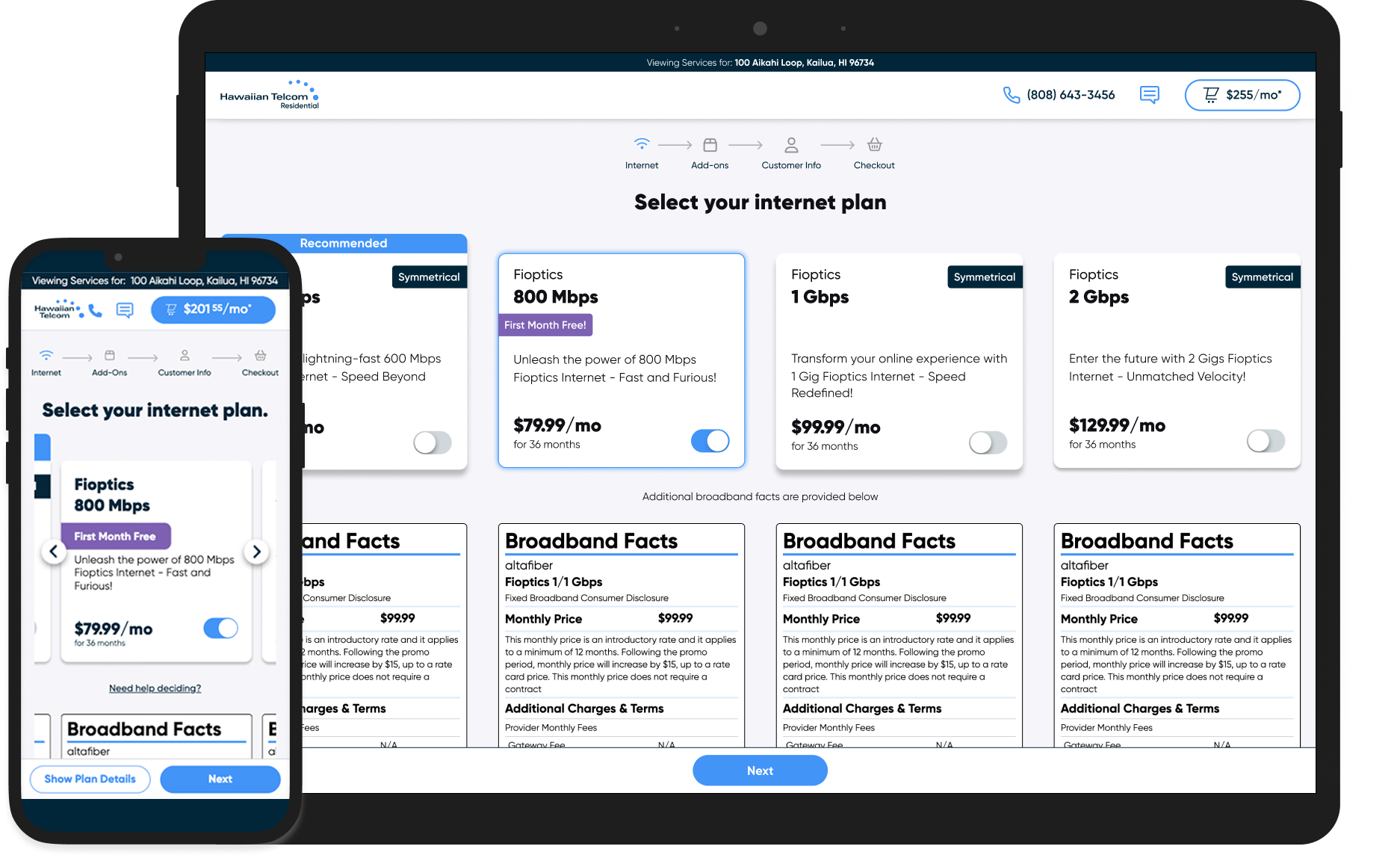
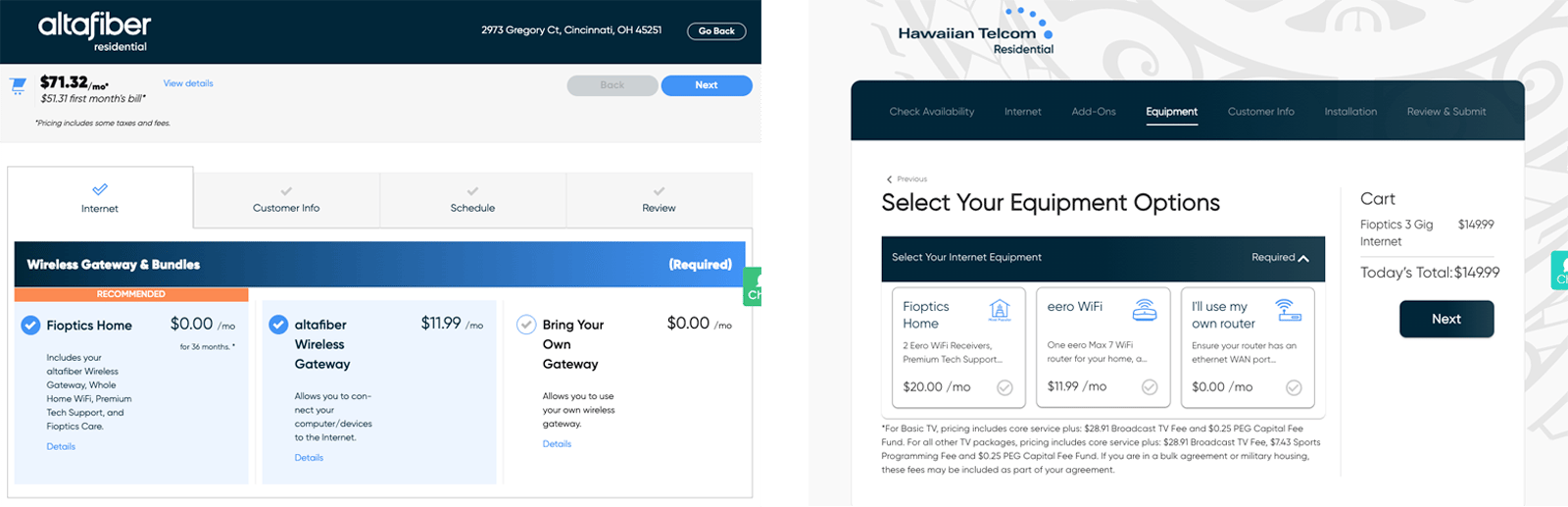
Our client recently acquired another telecommunications company and needed a unified shopping experience to seamlessly integrate the operations, products, and services of both organizations.
Before
Solution
Aligned the redesign with business goals, branding, accessibility, and usability through user-centered research, iterative design, and cross-department collaboration.
- Created the shopping experience as a customer first application. Focusing to improve usability, enhance navigation, ensuring an inclusive and seamless experience for all users
- Created a Figma based scalable component library to unify the design and give designers and developers alike the tools needed to build and expand the application
- Balanced business objectives and user needs through iterative testing and user-centered design
After
solution
Component library
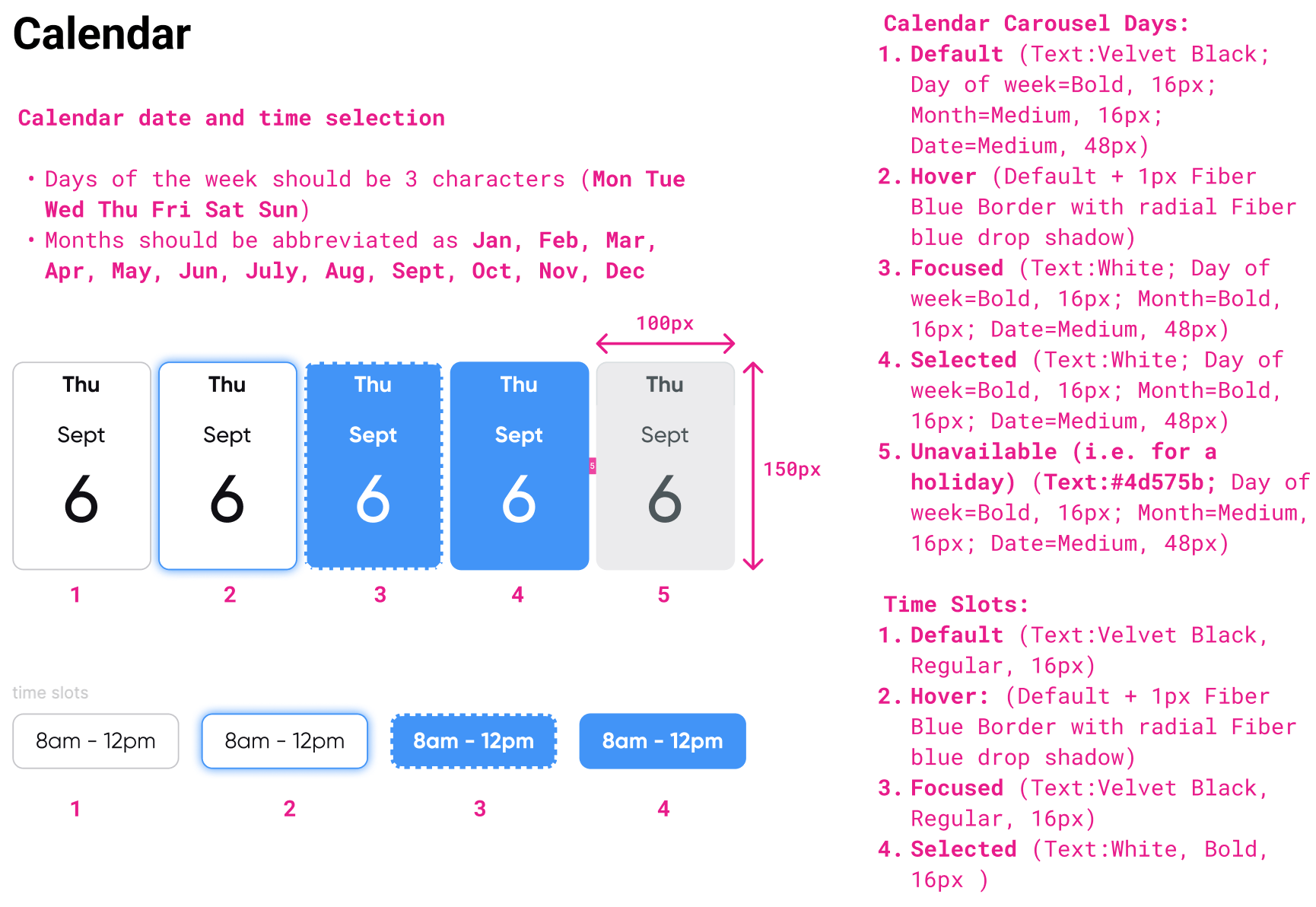
We created a Figma based scalable component library to unify the design and give designers and developers alike the tools needed to build and expand the application.
The components are complete with all needed variations and documented with needed context and scenarios.
solution
User testing & quick design iterations
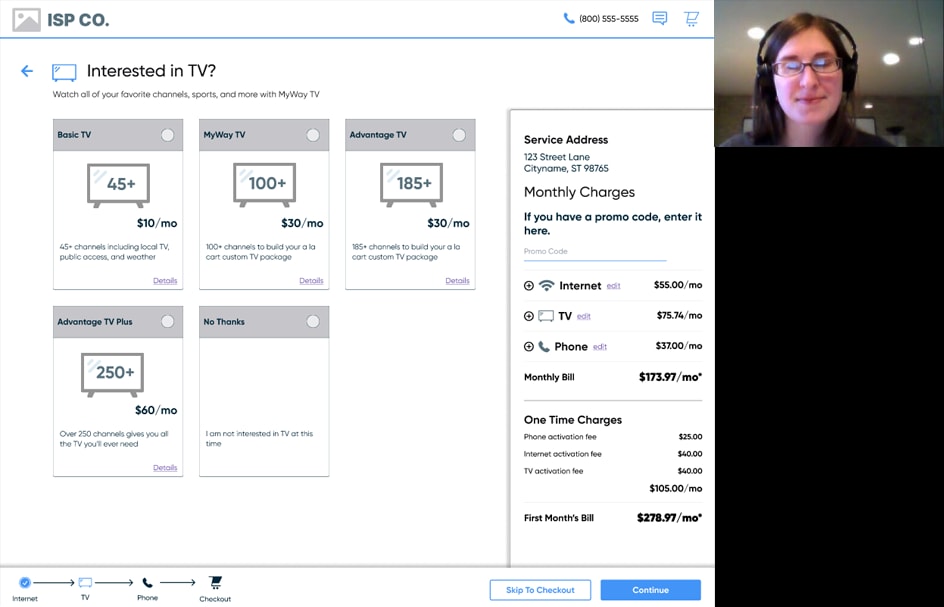
We conducted user testing with end users to evaluate several different design directions. To facilitate quick iterations, we began with low-fidelity wireframes, allowing us to gather feedback and refine the designs efficiently. Through continuous testing and improvements, we gradually evolved the wireframes into high-fidelity designs.
The Outcome
The shopping experience is designed with a user-first approach, delivering a seamless, intuitive, and accessible interface for both companies. By prioritizing ease of use, the platform ensures that customers can navigate and interact effortlessly across offerings.
Key features include a unified cart experience built on a consolidated technical platform, accommodating product and service differences while providing robust administrative and reporting capabilities. Additionally, the platform integrates third-party services like HubSpot and Google Analytics, offering static functionality with the flexibility to support future regionalized enhancements.
More project work


Ben Rondot | Consultant Portfolio
telecommunications Company
Unified shopping cart experience
About
Create a unified shopping experience to seamlessly integrate a recently acquired company.
Role
Senior user experience designer.
Skills
Information architecture, accessibility, branding, and high-fidelity mockups (Figma).

Problem
Our client recently acquired another telecommunications company and needed a unified shopping experience to seamlessly integrate the operations, products, and services of both organizations.
Before
Solution
Aligned the redesign with business goals, branding, accessibility, and usability through user-centered research, iterative design, and cross-department collaboration.
- Created the shopping experience as a customer first application. Focusing to improve usability, enhance navigation, ensuring an inclusive and seamless experience for all users
- Created a Figma based scalable component library to unify the design and give designers and developers alike the tools needed to build and expand the application
- Balanced business objectives and user needs through iterative testing and user-centered design
After
solution
Component library
We created a Figma based scalable component library to unify the design and give designers and developers alike the tools needed to build and expand the application.
The components are complete with all needed variations and documented with needed context and scenarios.
solution
User testing & quick design iterations
We conducted user testing with end users to evaluate several different design directions. To facilitate quick iterations, we began with low-fidelity wireframes, allowing us to gather feedback and refine the designs efficiently. Through continuous testing and improvements, we gradually evolved the wireframes into high-fidelity designs.
The Outcome
The shopping experience is designed with a user-first approach, delivering a seamless, intuitive, and accessible interface for both companies. By prioritizing ease of use, the platform ensures that customers can navigate and interact effortlessly across offerings.
Key features include a unified cart experience built on a consolidated technical platform, accommodating product and service differences while providing robust administrative and reporting capabilities. Additionally, the platform integrates third-party services like HubSpot and Google Analytics, offering static functionality with the flexibility to support future regionalized enhancements.
More project work
Ben Rondot | Consultant Portfolio
telecommunications Company
Unified shopping cart experience
About
Create a unified shopping experience to seamlessly integrate a recently acquired company.
Role
Senior user experience designer.
Skills
Information architecture, accessibility, branding, and high-fidelity mockups (Figma).

Problem
Our client recently acquired another telecommunications company and needed a unified shopping experience to seamlessly integrate the operations, products, and services of both organizations.
Before
Solution
Aligned the redesign with business goals, branding, accessibility, and usability through user-centered research, iterative design, and cross-department collaboration.
- Created the shopping experience as a customer first application. Focusing to improve usability, enhance navigation, ensuring an inclusive and seamless experience for all users
- Created a Figma based scalable component library to unify the design and give designers and developers alike the tools needed to build and expand the application
- Balanced business objectives and user needs through iterative testing and user-centered design
After
solution
Component library
We created a Figma based scalable component library to unify the design and give designers and developers alike the tools needed to build and expand the application.
The components are complete with all needed variations and documented with needed context and scenarios.
solution
User testing & quick design iterations
We conducted user testing with end users to evaluate several different design directions. To facilitate quick iterations, we began with low-fidelity wireframes, allowing us to gather feedback and refine the designs efficiently. Through continuous testing and improvements, we gradually evolved the wireframes into high-fidelity designs.
The Outcome
The shopping experience is designed with a user-first approach, delivering a seamless, intuitive, and accessible interface for both companies. By prioritizing ease of use, the platform ensures that customers can navigate and interact effortlessly across offerings.
Key features include a unified cart experience built on a consolidated technical platform, accommodating product and service differences while providing robust administrative and reporting capabilities. Additionally, the platform integrates third-party services like HubSpot and Google Analytics, offering static functionality with the flexibility to support future regionalized enhancements.